Hemp THC drinks are gaining ground against alcohol as consumers seek low-dose alternatives, raising new questions about cannabis access and regulation.
The alcohol industry is facing an unexpected competitor, and it comes in a can. Hemp-derived THC beverages are appearing at major venues across the country, offering consumers an alternative to beer and cocktails. This shift is reshaping conversations around intoxication, consumer choice, and the future of medical cannabis regulation.
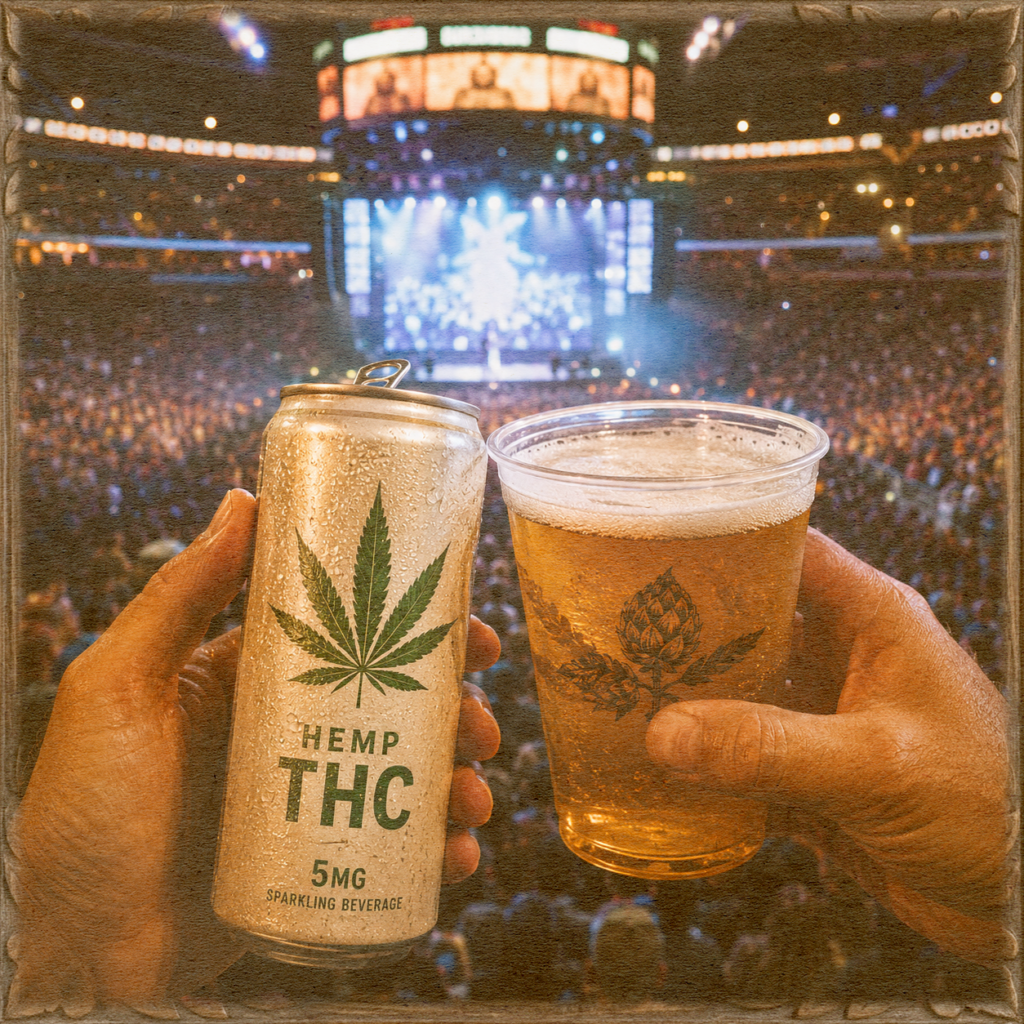
At the United Center in Chicago, concertgoers can now purchase a hemp-based drink containing 5 milligrams of THC for roughly the price of a beer. The product, produced by RYTHM, a brand owned by Green Thumb Industries, represents a significant step toward normalizing low-dose THC consumption outside of dispensaries. The arena, which seats 20,000, is one of the first major venues to offer a mildly intoxicating alternative to alcohol.
The move reflects a broader cultural shift. Younger consumers, particularly those aged 21 to 35, are increasingly embracing what some call “California sober,” a lifestyle that favors THC over alcohol. This demographic is driving demand for products that deliver a buzz without the hangover or health risks associated with heavy drinking. Hemp THC drinks are positioned to capture that market by placing the product where consumers already shop and socialize.
Rick Schepp, general manager of RYTHM beverages, told High Times that the strategy is straightforward. “It’s something we believe in because consumers aren’t going into dispensaries to buy drinks,” he said. “If you put these drinks next to alcohol, consumers aren’t scared of them, and they’ll give them a try.” The logic is simple: meet consumers where they are, not where regulations say they should be.
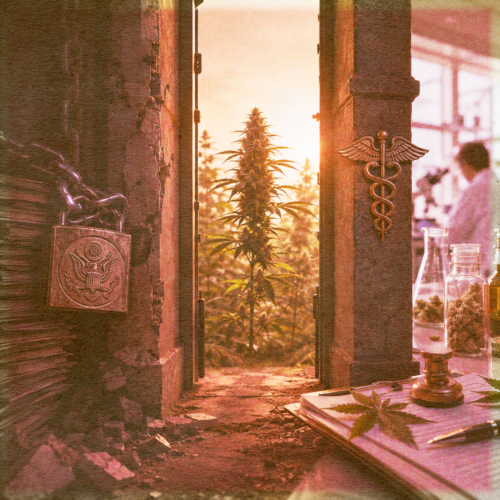
The legal framework behind these products is complex. Cannabis remains a Schedule I drug under the U.S. Controlled Substances Act, a classification it has held since 1970. That designation places cannabis alongside heroin and fentanyl, creating significant barriers to research, commerce, and federal oversight. State-level legalization has created a patchwork of regulated markets, beginning with medical cannabis in California in the 1990s and expanding to adult use in Colorado and Washington in 2012.
Hemp, by contrast, operates under the Farm Bill. The 2018 version of that legislation legalized hemp and its derivatives, provided they contain no more than 0.3% THC by dry weight. What began as an effort to promote hemp for industrial uses like fuel, textiles, and building materials has evolved into a commercial loophole. Entrepreneurs quickly realized that the 0.3% allowance could be used to create intoxicating products, including gummies, beverages, and smokable flower.
This regulatory gray area has created tension within the cannabis industry. Some established operators view hemp THC products as an end run around the strict licensing, testing, and taxation that apply to state-legal cannabis businesses. Others worry about consumer safety, noting that hemp-derived products are not subject to the same quality controls as those sold in dispensaries. The result is an uneasy coexistence between two markets serving similar purposes under different rules.
The alcohol lobby has taken notice. As hemp THC drinks gain shelf space in liquor stores, bars, and venues, the beverage alcohol industry is pushing back. Trade groups have raised concerns about inconsistent regulation, lack of age verification, and the absence of standardized dosing. These arguments carry weight, but they also reflect a more fundamental anxiety: the possibility that a safer, more appealing intoxicant could erode alcohol’s cultural dominance.
For the medical cannabis community, the rise of hemp THC beverages raises important questions. Patients who rely on medical cannabis for symptom management may benefit from greater access to low-dose options outside of dispensaries. At the same time, the lack of federal oversight and inconsistent state regulations could undermine the credibility of cannabis as a therapeutic product. The medical cannabis industry has worked for decades to establish standards for dosing, testing, and labeling. Hemp THC products, which operate outside that framework, risk undoing some of that progress.
The situation also highlights the limitations of current federal policy. The Schedule I classification prevents the kind of research and regulation that would allow both medical cannabis and hemp THC products to coexist safely and transparently. Until Congress addresses the disconnect between federal law and state markets, consumers will continue to navigate a confusing landscape where the same compound is treated differently depending on its source.
Back at the United Center, the experiment is still unfolding. Fans attending Chicago Bulls and Blackhawks games cannot purchase the drinks, as the teams and leagues have not approved their sale. But for concertgoers, the option is available. It is a small step, but one that signals a larger shift in how Americans think about intoxication, regulation, and choice.
The alcohol industry may be panicking, but the real story is about consumer demand. People want alternatives, and they are willing to try products that deliver a better experience. Whether those products come from the medical cannabis system or the hemp loophole, the market is moving faster than the law. That tension will define the next chapter of cannabis policy in the United States.
***
Trap Culture is the ultimate destination for cannabis enthusiasts who want to experience the best of Arizona’s cannabis culture. Whether you are looking for the hottest cannabis-friendly events, the latest news on cannabis legalization, trends in the industry and exclusive, limited-edition products from the top brands in the market, Trap Culture has you covered. Visit our website to learn more about our events, our blog, and our store. Follow us on social media to stay updated on the latest news and promotions. Join the Trap Culture family and experience the most immersive and engaging social cannabis events in Arizona.
Follow us on social media